For more than 50 years, Thursday nights at Skating Edge Ice Arena have meant one thing for many skaters in the South Bay — Ice Dance.
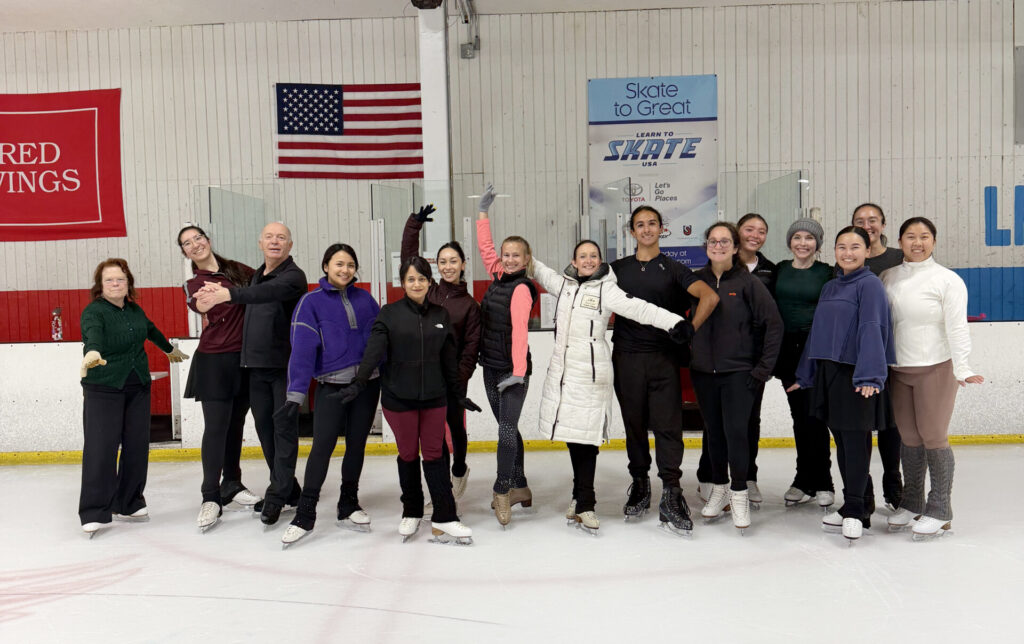
What began decades ago as a dedicated dance session has quietly become one of the most unique traditions in Southern California skating. Today, it remains one of the last traditional ice dance sessions in the greater Los Angeles area, welcoming skaters of all ages and experience levels to step onto the ice and move to music.
Led by longtime coach Arleen Barton, the Thursday Ice Dance session has become a place where skaters connect, improve their skills, and experience a different side of figure skating.
“It’s a joyful session with a lot of camaraderie. I hear often that many skaters consider it their favorite session of the week.”
A 50-Year Tradition on the Ice
The Thursday dance session originally began under the South Bay Figure Skating Club, long before Skating Edge became the home rink for the program.
“When the club disbanded, the rink took over the session,” explains Arleen.
What started as a strict adult ice dance practice has gradually evolved into something much more welcoming.
“Originally it only allowed skaters who already knew how to ice dance. Over time it opened up to younger skaters and people who wanted to learn. Today it’s a social session that invites anyone interested in trying ice dance.”
Despite those changes, the heart of the program has remained the same.
For Arleen — who has skated and coached on this session for more than 30 years — the tradition carries special meaning.
“It gives us the opportunity here at Skating Edge to demonstrate how much we appreciate and include all aspects of ice skating.”
What Makes Ice Dance Different?
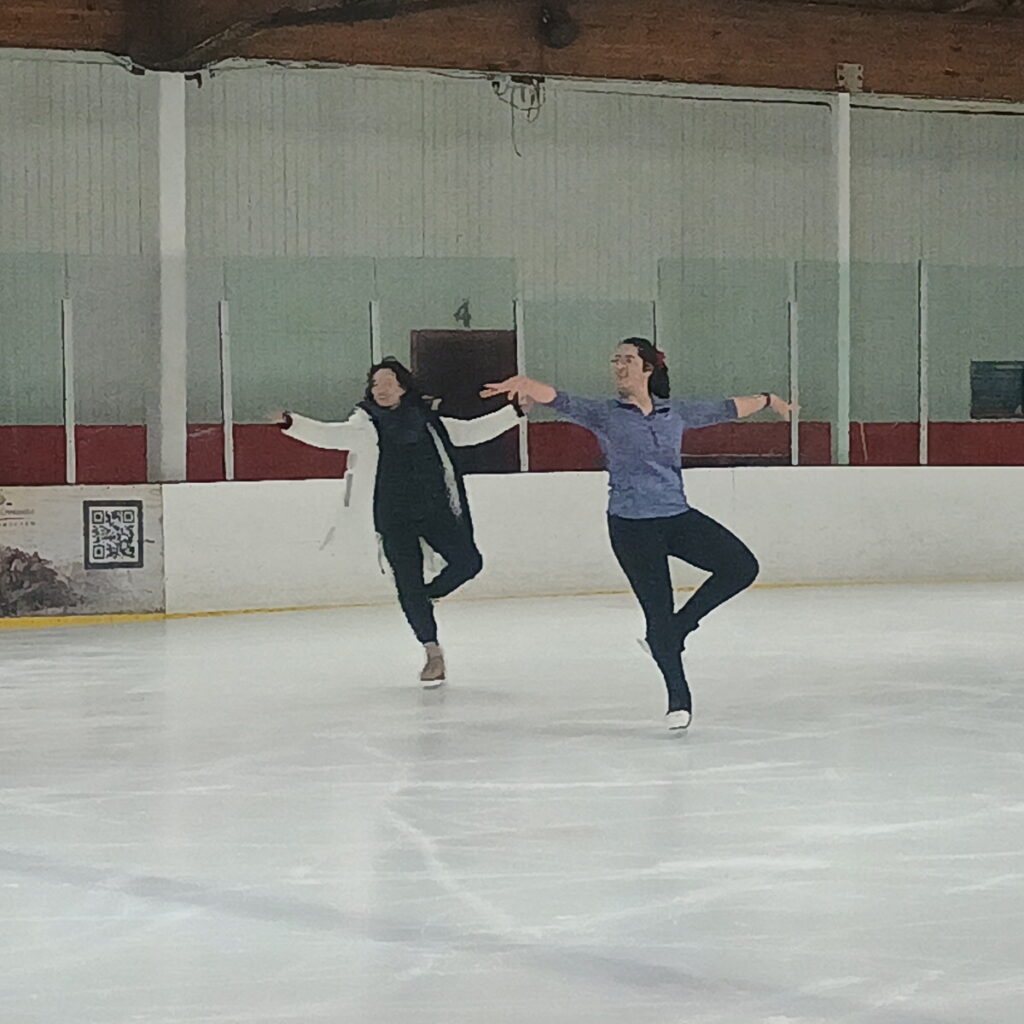
Unlike traditional freestyle skating, ice dance focuses on movement, rhythm, and connection to music.
Skaters perform patterned dances, footwork sequences, and coordinated movements that emphasize:
- Edge quality
- Timing and musicality
- Flow and control
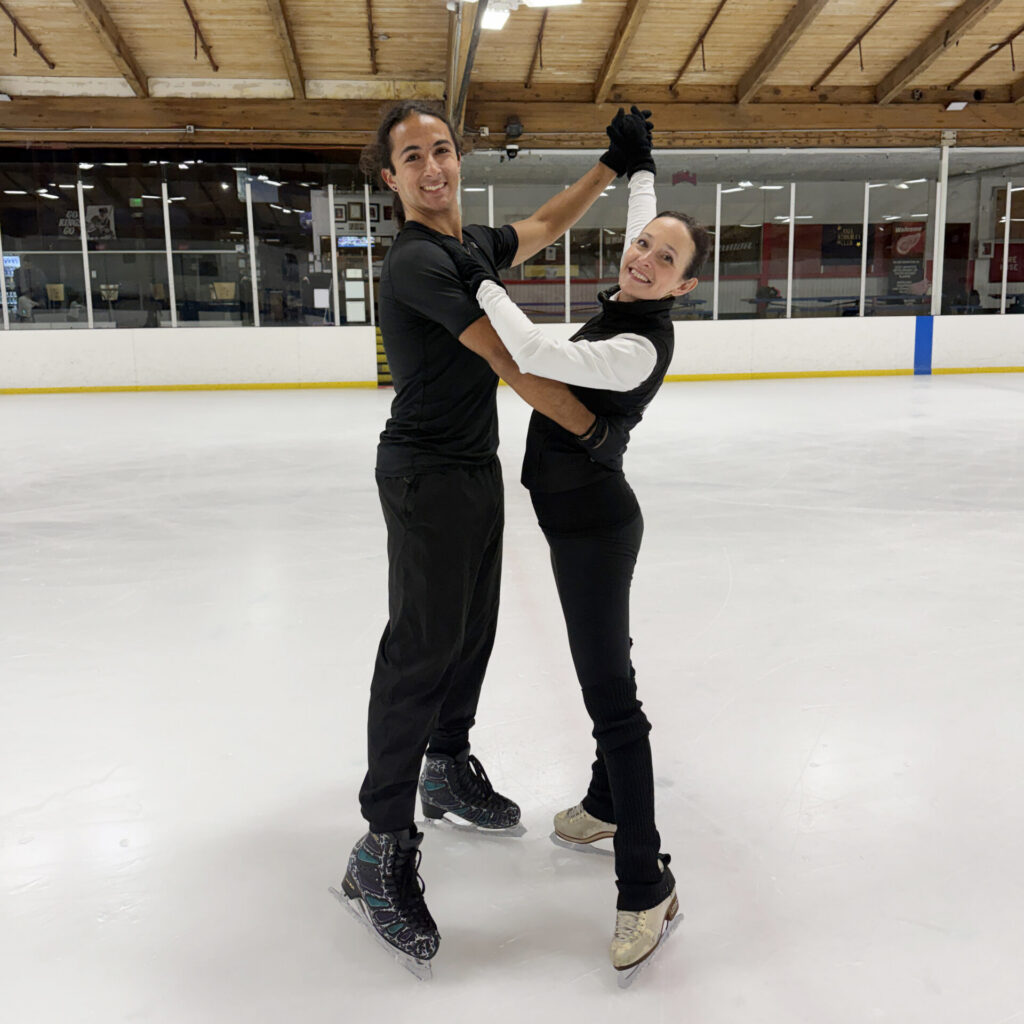
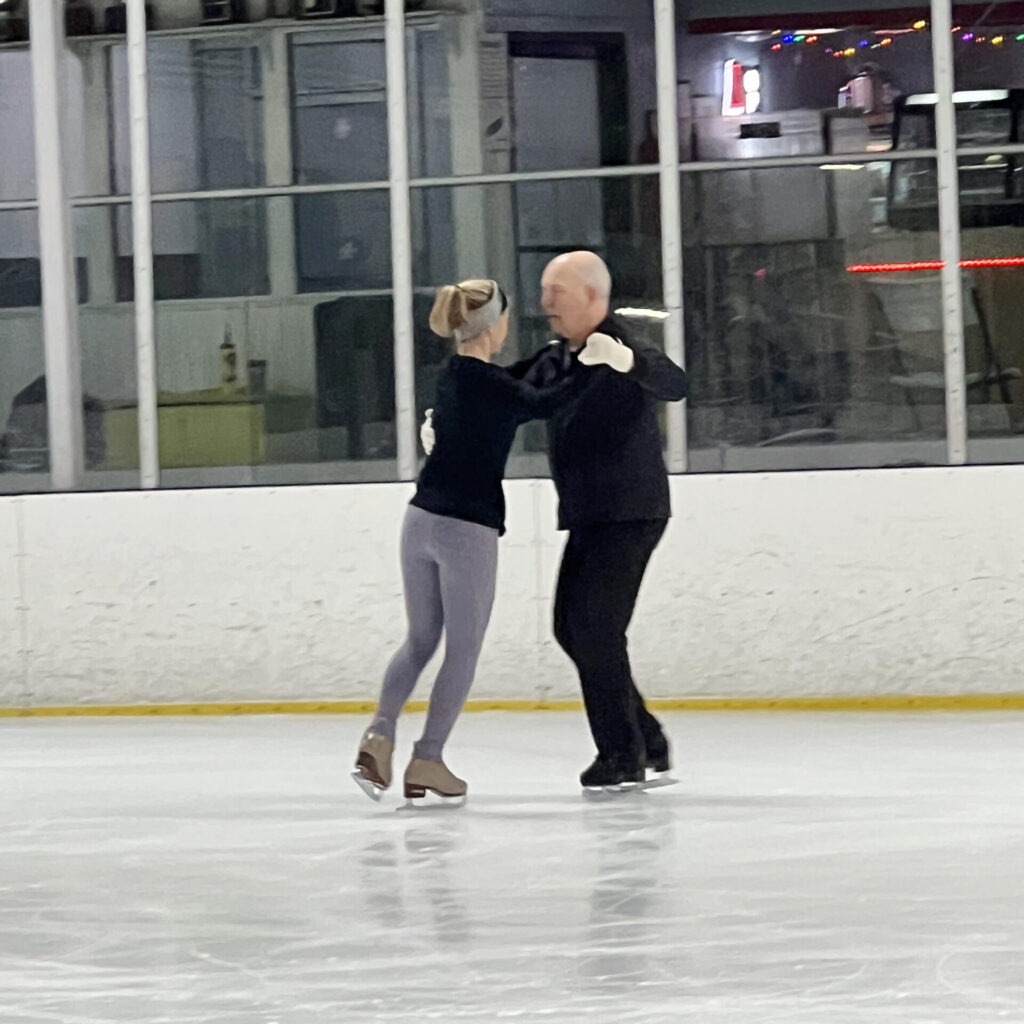
- Partnering and teamwork
Because jumps and spins are not part of ice dance sessions, the environment feels very different from a typical freestyle practice.
“It’s the only session where ice dance is the only discipline permitted,” says Arleen. “It offers skaters the opportunity to practice their pattern dances without having to dodge jumps, spins, or routines.”
For many skaters, that dedicated space makes a huge difference.
A Session for Everyone
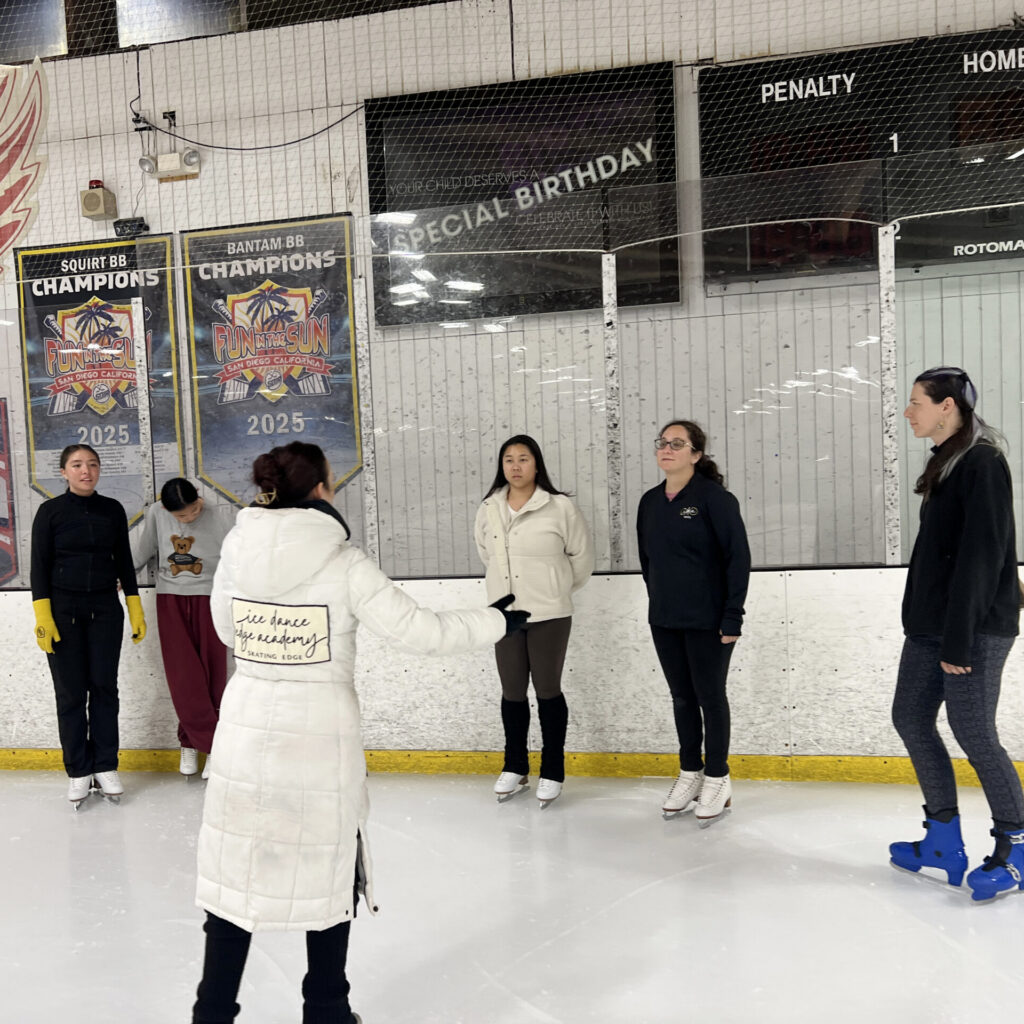
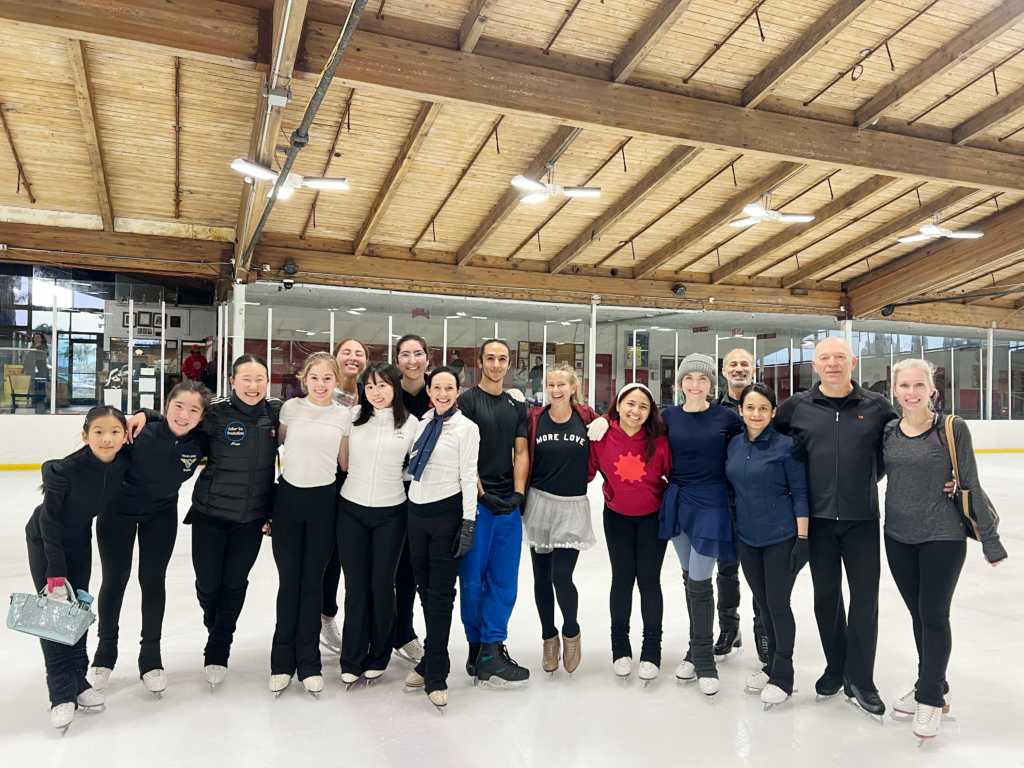
One of the most special aspects of the Thursday Ice Dance session is the range of people who participate.
On any given night, the ice may include:
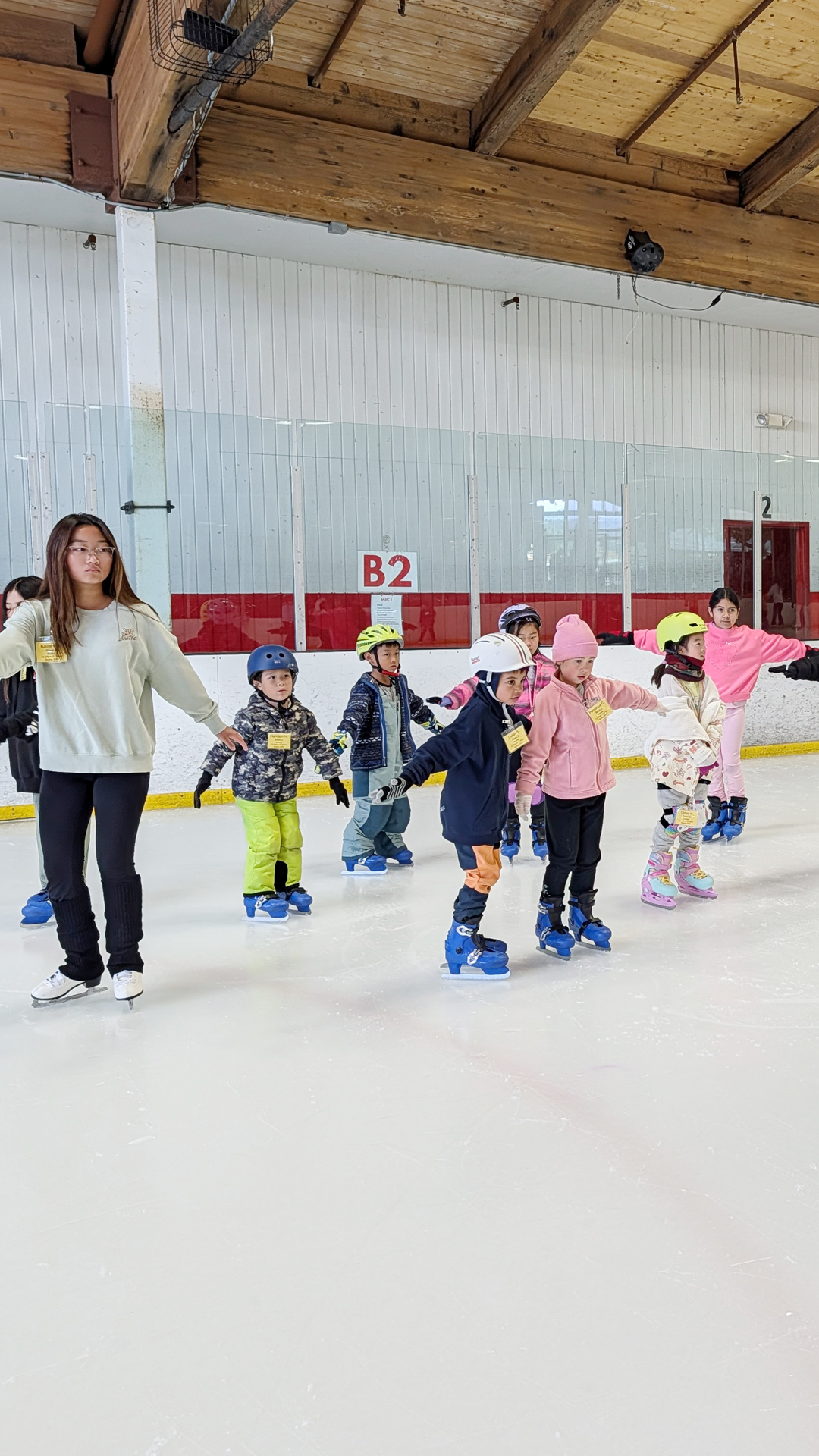
- Young skaters exploring dance for the first time
- Recreational skaters who enjoy skating to music
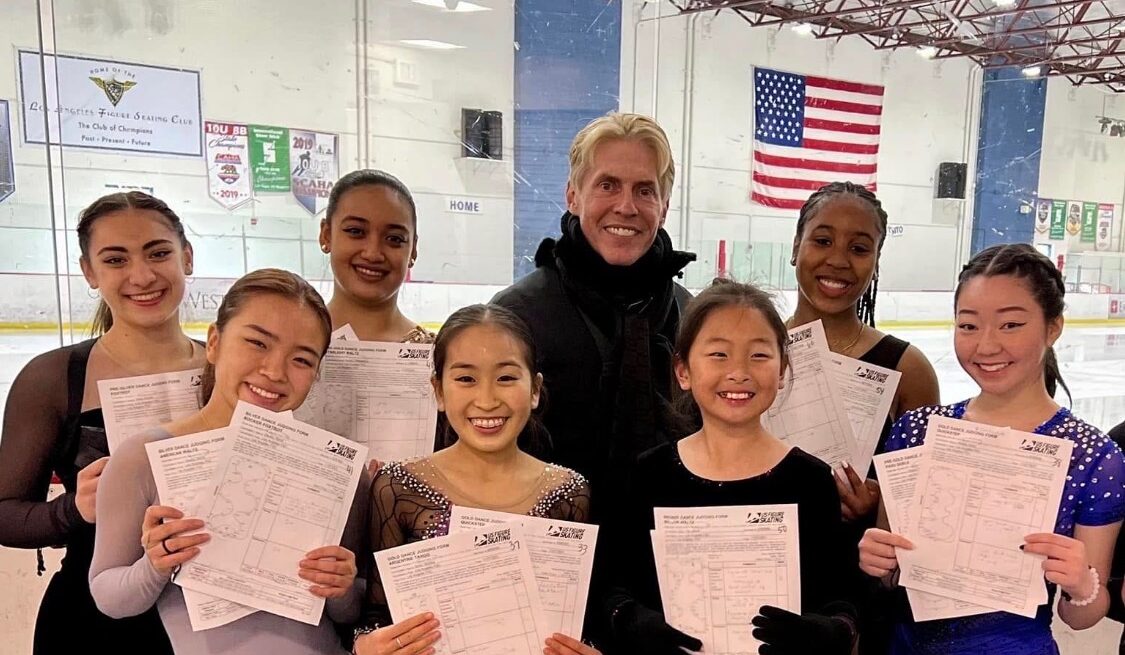
- Competitive dancers practicing patterns
- Adults returning to skating later in life
“We have skaters anywhere from 10 years old to adult,” Arleen says. “We’ve even had someone who was 80 skating on the session.”
Because dances of different levels are played throughout the session, everyone gets a chance to participate.
“It’s a joyful session with a lot of camaraderie. I hear often that many skaters consider it their favorite session of the week.”
A Social Experience on the Ice
Arleen often describes Thursday nights as a “social session.”
In ice dance, that means something a little different from other skating disciplines.
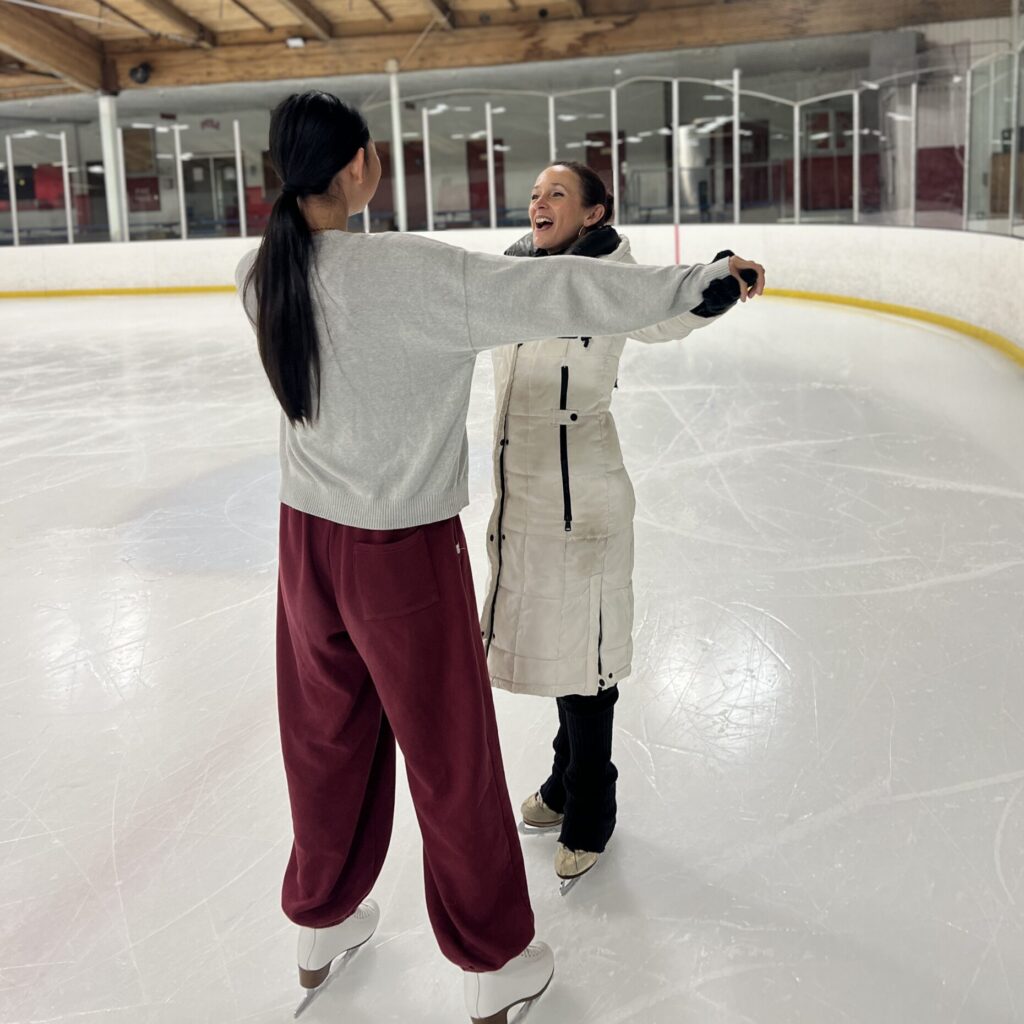
“Dance can be skated solo, partnered, or shadow,” she explains. “So skaters are often interacting with each other.”
It also becomes a place where skaters learn valuable ice etiquette — sharing space, understanding right of way, and skating cooperatively.
For adults especially, the environment is welcoming and supportive.
Unlike competitive sessions that can feel intimidating, the Thursday dance session encourages skaters to try something new without pressure.
A Destination for Ice Dancers
The reputation of the session has spread well beyond Harbor City.
Some skaters travel long distances just to attend.
Recently, a visiting skater discovered the session while in town for work. She enjoyed it so much that she requested her day off to be Thursday — allowing her to drive from Murrieta, nearly two hours away, to skate regularly.
Stories like that reflect something many local skaters already know.
The Thursday dance session is something special.
Who Should Try Ice Dance?
Many skaters assume ice dance is only for elite athletes.
But Arleen says the opposite is true.
“One of the biggest misconceptions is that you have to be a great skater to try ice dance.”
In reality, many skaters are ready much sooner than they think.
“If a skater can do basic forward edges and beginning crossovers, they’re ready to try ice dance.”
For skaters coming out of Learn to Skate or freestyle sessions, dance can become a great way to:
- Build stronger skating fundamentals
- Improve musical interpretation
- Explore partner skating
- Enjoy skating in a social environment
Looking Ahead
As Skating Edge continues to grow its figure skating programs, Arleen hopes to see more skaters discover ice dance.
“I would love to see more skaters find a passion for ice dance and try competing,” she says. “I’d also love to see more people learning to skate partnered.”
For a session that has existed for more than half a century, the future still feels full of possibility.
Experience Ice Dance at Skating Edge
The Thursday Ice Dance Session is open to skaters interested in exploring dance in a welcoming and supportive environment.
Whether you’re a freestyle skater looking to expand your skills, an adult returning to skating, or simply curious about dance, this session offers a unique opportunity to experience another side of the sport.
Sometimes the best traditions are the ones that quietly endure.
And every Thursday night at Skating Edge, the music still plays.